Typical highs, lows and rain for every month, what each season is good for in the village, and what to pack.
Franschhoek weather follows a Mediterranean pattern: hot, dry summers and cool, wet winters, with the rain falling between May and September. Summer highs reach the high 20s and winter highs sit around 16 to 17°C.
This guide runs through every month with typical temperatures and rainfall, then says what each season is good for in the village, so you can pick your dates and pack sensibly. For a live forecast on the day, use the South African Weather Service.
Sponsored
Franschhoek weather at a glance
Franschhoek has a hot-summer Mediterranean climate, with warm, dry summers and mild to cool, wet winters. January and February are the hottest months and July is the coolest, with a typical high of 16°C and a low of 7°C. The wettest months are June, July and August, and the driest are January and February.
Rainfall varies a lot from year to year: July 2024 brought about 238 mm against a typical 119 mm. Treat the monthly figures below as a guide to the pattern, not a promise for your dates.
Franschhoek weather month by month
Each month below gives typical daytime highs and nightly lows, rainfall and the number of rain days, then a pointer to what suits the village.
January
January typically brings highs of about 28°C and lows of about 15°C, with around 16 mm of rain over 2 days. Pool days start early and the village market is the best way to use the cool morning hours.
February
February typically brings highs of about 28°C and lows of about 16°C, with around 15 mm of rain over 2 days. It is the driest stretch of the year, so book outdoor plans with confidence and keep the afternoons for shade and a long lunch.
March
March typically brings highs of about 27°C and lows of about 15°C, with around 37 mm of rain over 3 days. The heat eases and the evenings cool, which makes it a good month for the La Motte trail and for lunches on a terrace.
April
April typically brings highs of about 24°C and lows of about 13°C, with around 57 mm of rain over 4 days. Rain returns in small doses, but highs of 24°C make this the first comfortable walking month after summer.
May
May typically brings highs of about 20°C and lows of about 11°C, with around 103 mm of rain over 5 days. This is the first properly wet month, so mix walks with the museum precinct and plan on a jacket in the evening.
June
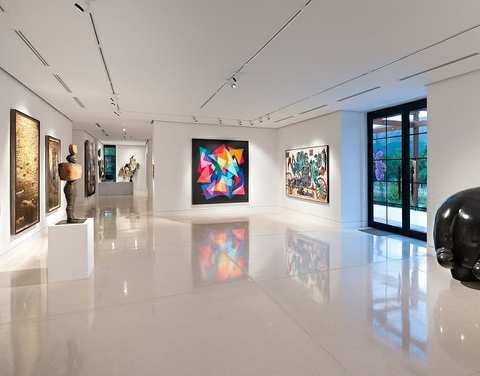
June typically brings highs of about 17°C and lows of about 8°C, with around 167 mm of rain over 8 days. June is the wettest month in this data, with 167 mm, so lean on indoor plans: the museum, the galleries and a cooking class.
July
July typically brings highs of about 16°C and lows of about 7°C, with around 119 mm of rain over 6 days. July is the coolest month, and the Bastille Festival falls in it each year, so a wet weekend can still be a good one.
August
August typically brings highs of about 17°C and lows of about 7°C, with around 112 mm of rain over 6 days. Rain stays with you through August, with six wet days on average, though the days begin to lengthen.
September
September typically brings highs of about 19°C and lows of about 9°C, with around 69 mm of rain over 5 days. Spring arrives with a mix of wet and bright days, and the valley turns green.
October
October typically brings highs of about 22°C and lows of about 11°C, with around 38 mm of rain over 3 days. Rain drops away and highs reach 22°C, which suits the Mont Rochelle reserve, the galleries and the Huguenot Festival on the last weekend of the month.
November
November typically brings highs of about 24°C and lows of about 12°C, with around 43 mm of rain over 3 days. Warm, dry and still quiet, November is one of the easiest months for walking and outdoor lunches.
December
December typically brings highs of about 26°C and lows of about 14°C, with around 23 mm of rain over 2 days. Summer is back, with highs of 26°C and just two wet days on average.
What each season is good for
Summer, December to February
Summer is the season for early starts, pools and long, late lunches. January and February are dry, with highs of about 28°C and only two rain days a month. Plan the market, the galleries and the museum for the morning, rest through the hottest hours and go out again when the light softens.
The south-easter wind blows across the Western Cape between September and March and is strongest around the Cape Peninsula, so expect the odd gusty day in summer and check the forecast before a picnic or a long walk.
Autumn, March to May
Autumn is the gentle season: warm afternoons, cool evenings and rain that arrives in short bursts. Highs fall from 27°C in March to 20°C in May. It is a good time for the La Motte Hiking Trail and for slow lunches in the village.
Winter, June to August
Winter is the wet season, so plan around the rain instead of fighting it. Highs sit around 16 to 17°C, lows drop to about 7 to 8°C and each month sees six to eight rain days. Snow can dust the high peaks around the valley between May and July.
More wet-weather ideas are in rainy-day list for the village.
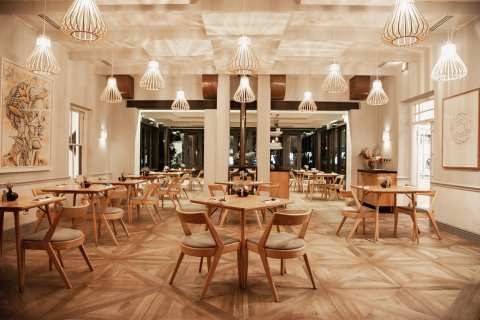
A fireplace lunch is the other classic plan, and village restaurants lists the options.
Spring, September to November
Spring is the pick for walking: rainfall falls steadily and temperatures climb without the heat of summer. Highs go from 19°C in September to 24°C in November, and rain eases from about 69 mm to about 43 mm. The Mont Rochelle Nature Reserve above the village and the galleries on the estate side of town both suit these months.
Wind, frost and snow
The south-easter is the wind to know: it blows across the Western Cape from September to March. It is strongest around the Cape Peninsula, so Franschhoek, sheltered in its mountain bowl, usually feels it less than the coast does.
On a windy day, choose a sheltered plan: the museum precinct, a covered lunch or a gallery visit. Leave open-air picnics and the higher trails for a calm morning.
Winter brings north-westerly winds ahead of cold fronts, and these usually mean rain is on the way. Snow is a mountain event: it can dust the high peaks between May and July, while the village itself stays snow-free.
The best months for what you want to do
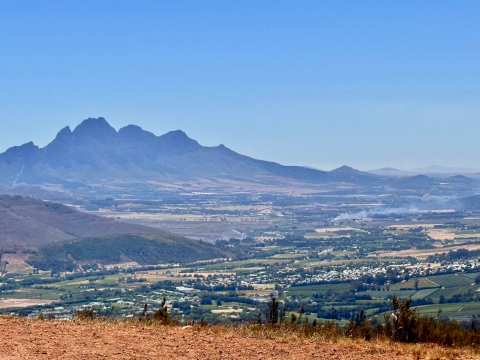
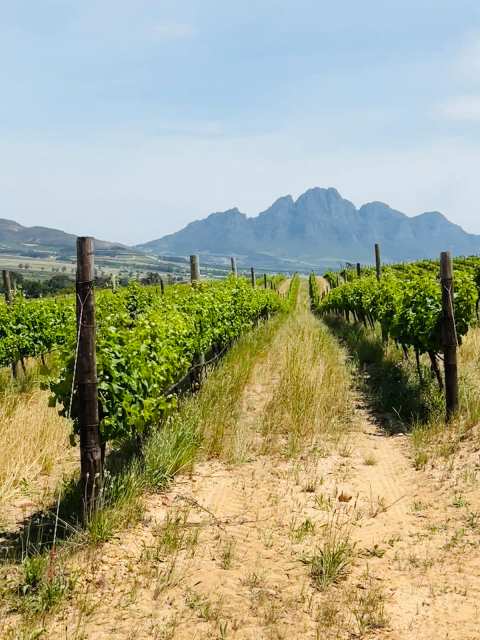
Photography and views: the clearest days follow a cold front in winter and a settled spell in autumn, when the mountains show sharp edges above the vineyards.
Walking and cycling: March, April, October and November give you highs between 22 and 27°C with modest rain, apart from April's slightly wetter 57 mm.
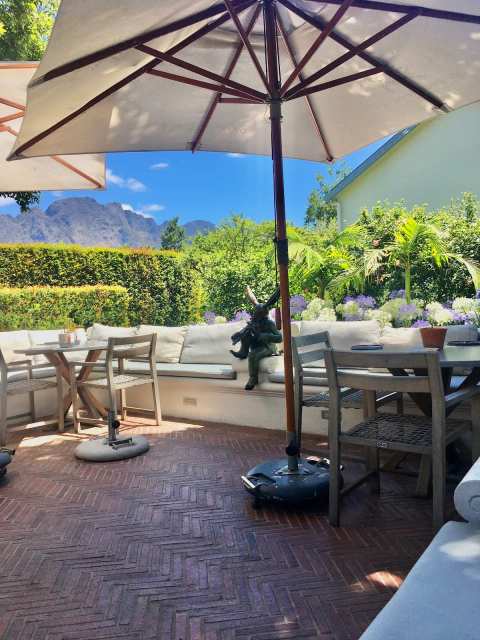
Eating outside: December to March is dry and warm enough for terraces, and the evenings stay mild.
Weddings: the dry months from October to March are the safest bet for an outdoor ceremony, and the venues around the valley range from a chapel to halls and farm settings. Whatever the month, ask any venue about its wet-weather plan.
Families: December and January suit pools and the farm animals at Farm Sanctuary SA, and the winter months suit the museum and a cooking class. Pick the month that fits your children's tolerance for heat or rain.
What to pack for Franschhoek
Pack for the month, not the postcard. From December to March, bring light layers, a hat, sunscreen and a swimsuit, and expect shade to matter at midday.
From May to September, bring a waterproof jacket, closed shoes and a warm layer for the evening, because the valley cools off quickly after sunset. In April and October a light jacket and a rain shell cover both ends of the day.
Comfortable walking shoes are worth packing in every season, since Huguenot Street and the village paths are made for walking. If you are choosing where to sleep, the village and farm stays include pools and fireplaces, which matter more in some months than others.
Frequently asked questions
Published October 12, 2026