Riveredge's 10-plus miles of river trails, the Cedarburg Bog, Tendick's disc golf, Pioneer Village and where to eat, all reasons to leave I-43 at exit 96.
From I-43, Saukville is exit 96: a Walmart on Green Bay Avenue and a run of fast-food counters by the interchange. Turn off the highway, though, and the things to do in Saukville turn out to be mostly outside: a nature center on the Milwaukee River, a 1,845-acre state natural area of bog and tamarack, two preserves on County Highway O and an open-air museum of 24 relocated pioneer buildings. The village itself is small, with a population of 4,258 at the 2020 census, and it sits about 24 miles north of downtown Milwaukee as the crow flies.
Riveredge Nature Center
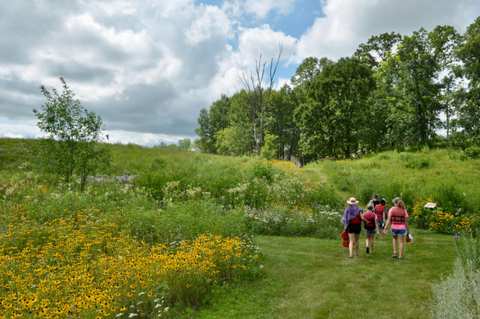
Riveredge Nature Center is an independent nature center about 5.8 miles northwest of the village, with more than 10 miles of trails on the Milwaukee River.
Sponsored
Riveredge also raises young lake sturgeon with the Wisconsin DNR and releases them; its site counts more than 20,000 raised so far. Its listing on Local Eyes carries a full fall calendar: naturalist-led strolls on some weekday mornings, a free trails day with a welcome hike on a Saturday in October and November, toddler programs, family nature club nights and evening astronomy talks. Check the Events tab on the listing before you go, because a free day saves a family the $15.
Tendick Nature Park and Blue Heron
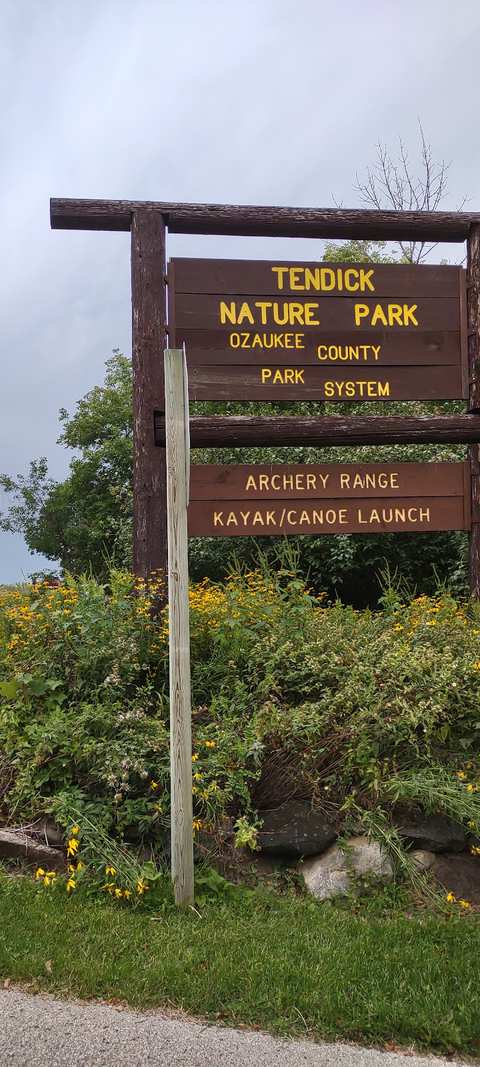
Tendick Nature Park, about 2.6 miles north of the village on County Highway O, is the place for disc golf, archery and a river put-in.
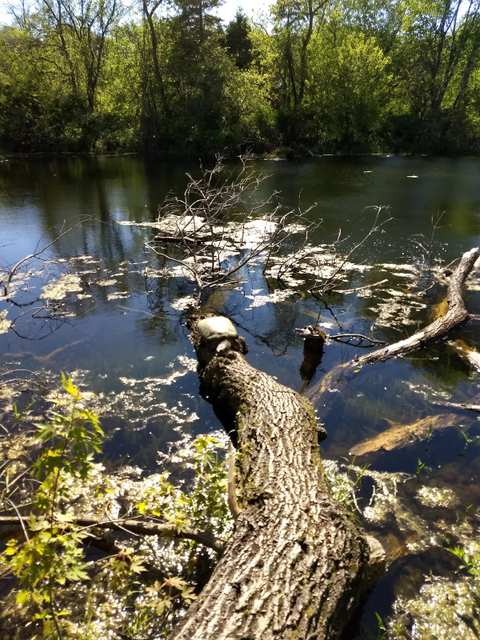
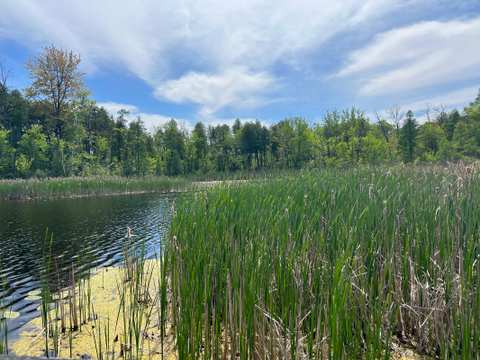
On Tendick's disc golf course, the front nine runs through tight woods and the back nine opens onto rolling fields, where the PDGA course notes say wind is a near-constant factor. Less than half a mile up the same road, Blue Heron Wildlife Sanctuary is the quieter neighbour: about 90 acres of woods, wetland and prairie on the river, with a boardwalk out to a pond. The Park Next Door describes a wheelchair-accessible limestone path and deck at Turtle Pond; check current accessibility with the sanctuary before you go.
Blue Heron's listing also mentions trails for snowshoeing and cross-country skiing in winter, picnic spots by the river, and apples to pick from its orchard trees in fall.
Cedarburg Bog
The Cedarburg Bog is the wild one: a state natural area of bog, sedge mat and small lakes about 3.4 miles west of downtown, toward Newburg.
The DNR adds two warnings worth taking seriously: the interior of the bog is only reachable by canoe or kayak, and the parking areas are generally not plowed in winter. Collecting plants is prohibited, as it is on every state natural area. Pitcher plants, sundew and orchids grow on the mat, so bring a zoom lens rather than a trowel.
Two more preserves just outside town
Sauk Creek Nature Preserve, about 3.1 miles east in Port Washington, follows a creek with rapids that our listing says are at their best after rain, and trout are stocked each year at its mouth. Pleasant Valley Nature Park, about 2.5 miles southwest in Grafton, grooms its trails in winter for snowshoeing and fat-tire biking.
Ozaukee County Pioneer Village
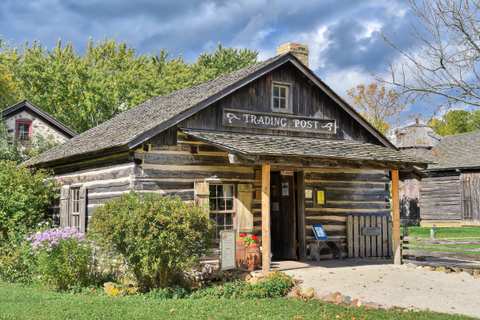
Ozaukee County Pioneer Village is the history stop: an open-air museum of 24 historic buildings on County Highway I, about 5.4 miles north of the village.
The July 2026 forge day, one of Pioneer Village's event days, was billed with about eight blacksmiths at portable forges and the village blacksmith shop, and a bluegrass jam on the old Cedarburg train station platform.
Golf and indoor sports
Saukville has a full 18-hole public golf course in The Bog on County Road I, and its site describes an Arnold Palmer design, par 72, from 5,110 to 7,221 yards on 297 acres. In summer 2026 it ran family golf nights on Sundays, with nine holes for $35 an adult and kids 12 and under free alongside a parent.
The sports academy on Market Street runs youth and adult programs, from flag football classes to basketball tournaments, with individual shooting cages and a concessions area.
Downtown history and the river
Saukville grew up at the crossroads of two trails, and Wikipedia records that William Payne opened a stagecoach inn here in 1848 on the Milwaukee to Green Bay route. Wikipedia says the Payne Hotel still stands and is on the National Register of Historic Places. The village incorporated in 1915, by a vote of 66 to 40, when it had 376 residents.
The village's own community page points to a historic walking tour of 31 buildings and sites, and to the downtown park with its old-fashioned streetlights, brick walks and a turn-of-the-century bandstand. Wikipedia notes the Crossroads Museum, in a restored 1912 firehouse.
For a rainy hour, Oscar Grady Library on South Main Street has books, music and a deep shelf of DVDs.
The village calendar is where the small-town events live: its community page lists a Sunday farmers market from June through October, free Live at the Triangle concerts on select Wednesday evenings in summer at Veterans Park, a July 4 parade with fireworks at Peninsula Park, and a holiday tree lighting on the first Sunday of December. Check the village calendar for this year's dates before you plan around one.
Where to eat
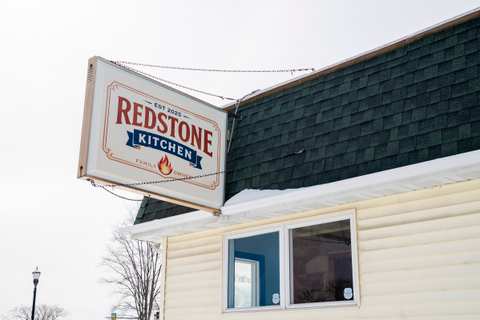
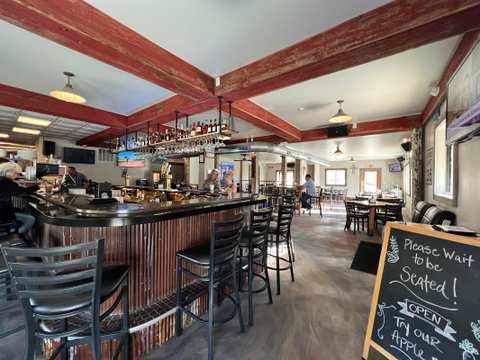
Food in Saukville is a short list on Green Bay Avenue and Dekora Street. Redstone Kitchen opened in April 2026 with hand-cut corned beef and pastrami, and its site lists a fish fry every day it is open. Cadiville, farther west on the same avenue, builds smash burgers from West Bend beef and serves a Sunday brunch.
For a sausage log or brats to take home, Blau's Meats is on the same stretch of Green Bay Avenue. Cadiville closes Mondays and Tuesdays and Redstone closes Sundays, which shapes where to eat in Saukville on any given night.
When to come
By the 1991 to 2020 climate normals, June to September is the most comfortable stretch, and Pioneer Village opens only on weekends from mid-May through October. Winter brings about 44 inches of snow in an average year, which turns the trails at Riveredge and Blue Heron into snowshoe country. January is the snowiest month, at about 13 inches, and Saukville weather swings from an average July high of 79 degrees to a January high of 28.
Staying over and the towns next door
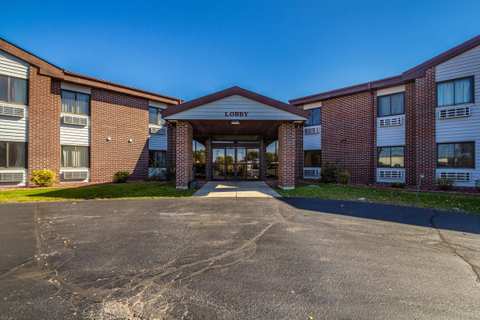
The only hotel in the village is the Motel 6 by the I-43 interchange, about 0.6 miles east of downtown.
For more choice, the hotels around Saukville include harbor hotels and inns in Port Washington and chain hotels near the I-43 interchange in Grafton.
Port Washington, about 3.3 miles east, has the Lake Michigan harbor and a restored light station museum.
Grafton is about 4.3 miles south, with its own run of parks and breweries on the Milwaukee River.
Historic Cedarburg is about 6.3 miles south.
Frequently asked questions
Published September 21, 2026